
Rocket Launches & Celestial Events
Live telemetry and launch manifests tracking major space missions from SpaceX, ESA, NASA, CNSA, and ISRO.
Upcoming Heavy-Lift & Orbital Launches
Real-time launch manifests tracking major space missions from NASA, SpaceX, ESA, CNSA, and ISRO.
Ariane 6 Flight VA270 (Meteosat MTG-I2)
Europe's new flagship heavy-lift rocket launches the MTG-I2 next-generation weather satellite to deliver real-time storm and lightning tracking across Europe and Africa.
Starship Orbital Flight Test (Catch & Payload Test)
The largest rocket in human history tests second-generation Mechazilla booster catch tower mechanics, in-space Raptor relight capabilities, and payload bay door deployment.
Chang'e 7: Lunar South Pole Water-Ice Mission
China's most sophisticated robotic lunar mission, featuring an orbiter, lander, rover, and hopping mini-probe to detect subsurface water-ice in permanently shadowed craters.
NASA Commercial Crew-10 to ISS
Launch of four astronauts from NASA, JAXA, and ESA aboard the Crew Dragon spacecraft for a 6-month microgravity science expedition aboard the ISS.
Dream Chaser 'Tenacity' Spaceplane Launch
Maiden orbital flight of the Sierra Space Dream Chaser reusable lifting-body spaceplane, delivering pressurized cargo to the ISS and landing runway-style upon return.
Gaganyaan G1: Uncrewed Orbital Capsule Test
India's critical milestone mission prior to sending astronauts into space, flying the 'Vyommitra' humanoid robot to monitor environmental life support and g-forces.
Upcoming Stargazing & Meteor Showers
Complete guide with viewing tips and optimal times to catch shooting stars, planetary oppositions, and eclipses.
 Meteor Shower
Perseid Meteor Shower (Peak)
One of the year's most prolific meteor showers, produced by debris from Comet Swift-Tuttle. Known for bright fireballs and swift shooting stars.
Look towards the northeast after midnight away from light pollution. No telescope needed.
 Rocket Launch
SpaceX Starship Orbital Test Flight
The world's most powerful launch vehicle launches to test Super Heavy booster catch mechanics and payload deployment for lunar missions.
Watch the official broadcast live on AstroGather or YouTube.
 Eclipse
Total Solar Eclipse in Europe
The first total solar eclipse on the European mainland in over two decades. Observers in Northern Europe will see a massive partial eclipse.
Always use certified eclipse glasses (ISO 12312-2) to view the partial phases safely.
 Planetary Event
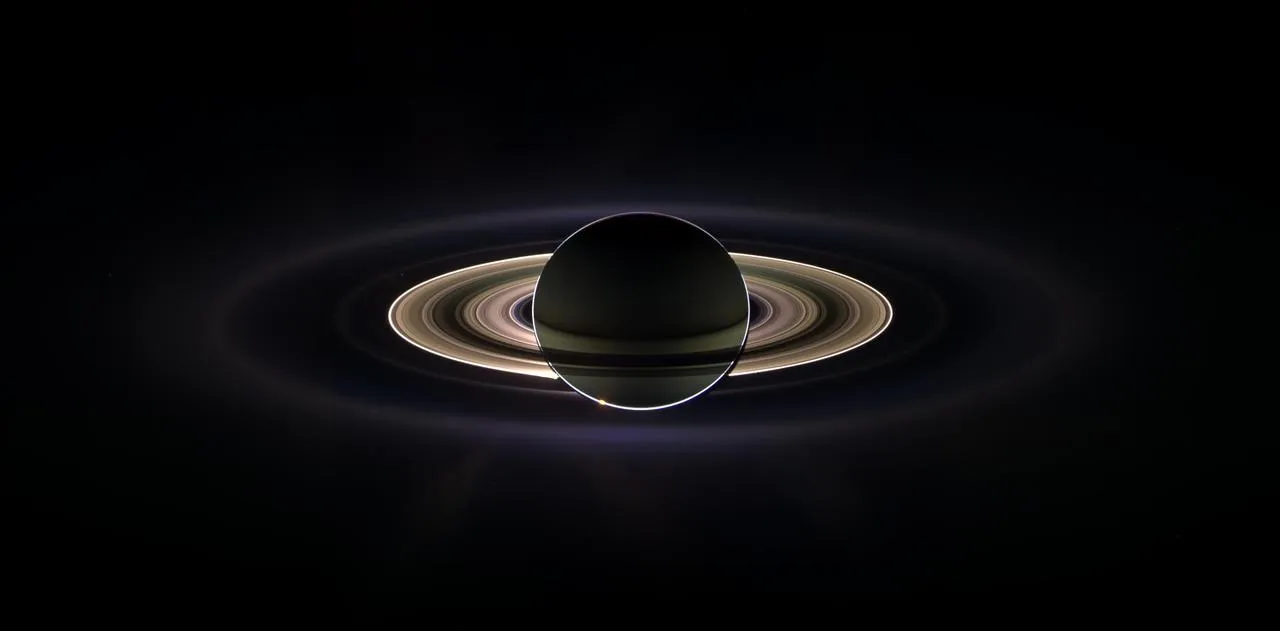
Saturn at Opposition (Prime Viewing)
Saturn lies directly opposite the Sun from Earth's vantage point, making it brighter and closer than any other time. Its rings are readily visible in small telescopes.
A standard beginner telescope (70-90mm refractor) easily shows the rings and moon Titan.
 Meteor Shower
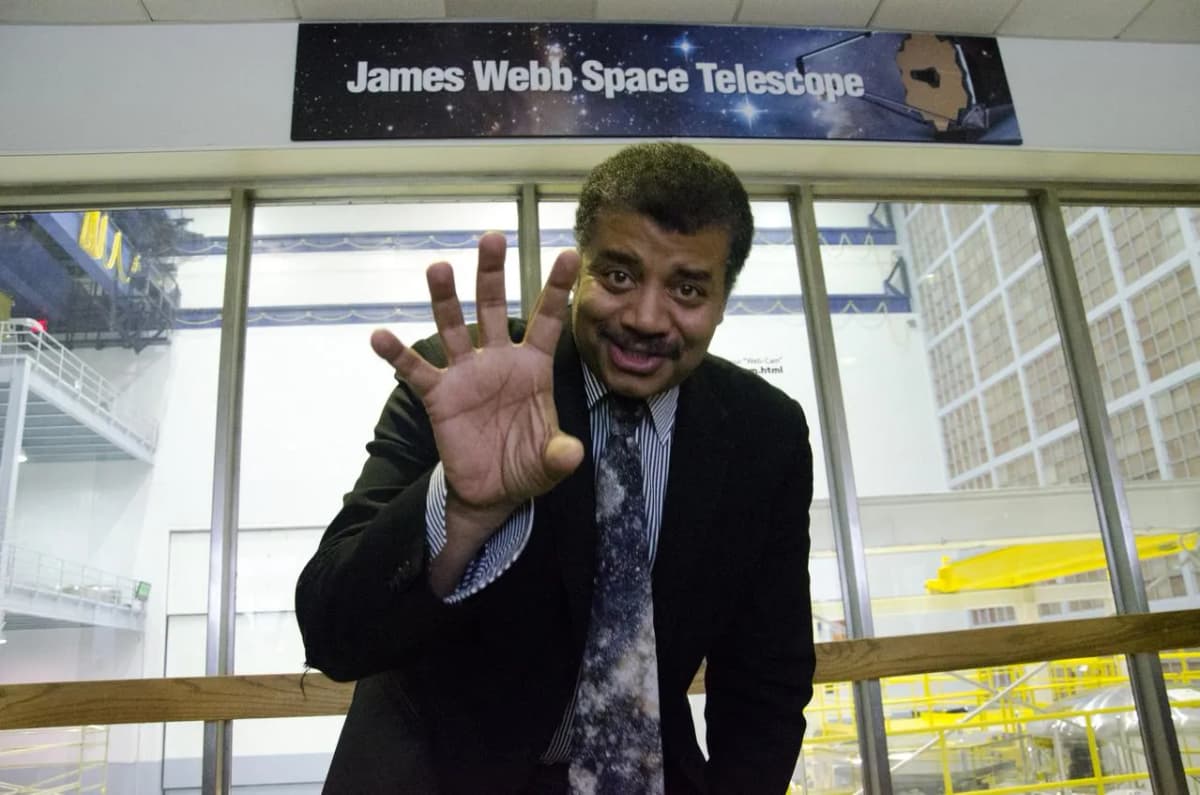
Geminid Meteor Shower (King of Showers)
The most reliable and rich annual meteor shower, producing up to 120-150 multi-colored meteors per hour originating from asteroid 3200 Phaethon.
Dress warmly and allow 20 minutes for your eyes to adapt to darkness.
 Rocket Launch
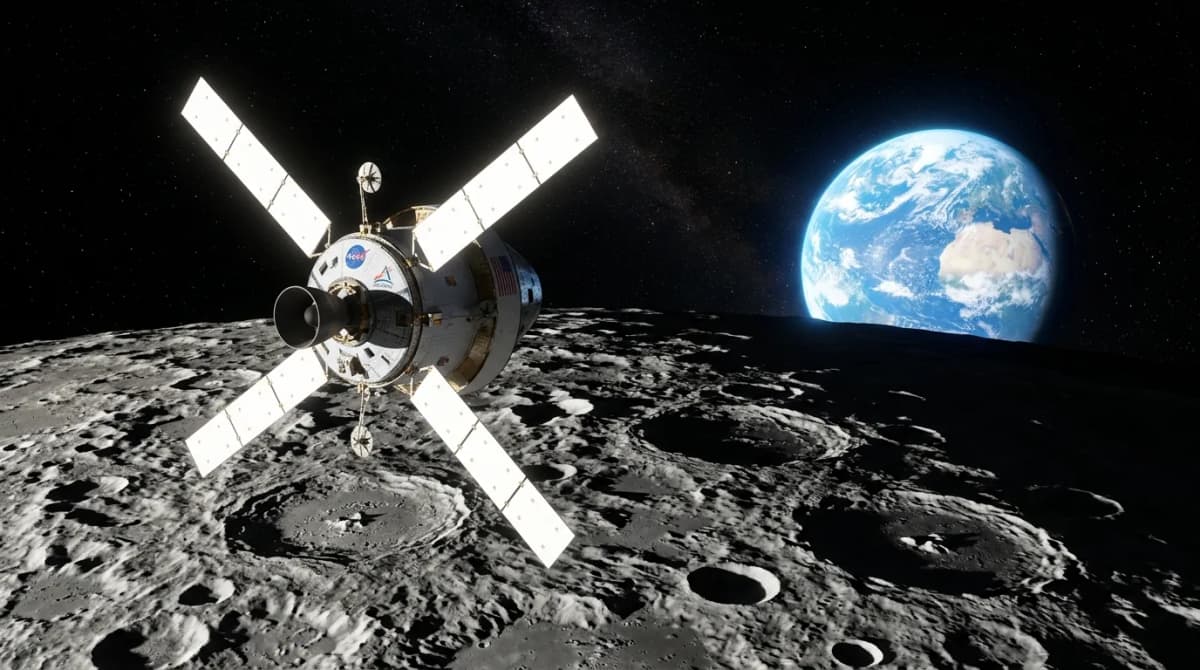
Artemis III: Return to the Moon
Humanity's return to the lunar surface for the first time since 1972. The mission will land the first woman and first person of color on the Moon.
A historic event that will be broadcast live by NASA. Mark your calendars!
 Meteor Shower
Leonid Meteor Shower
Famous for producing meteor outbursts when Earth passes through the tail of comet Tempel-Tuttle. Known for being some of the fastest meteors.
Head out to the countryside away from light pollution. Crystal clear, dark skies are essential.
 Planetary Event
Jupiter at Opposition
The solar system's giant is closest to Earth and fully illuminated by the Sun. It is the absolute best time to observe the planet and its four largest moons.
With regular binoculars, you can see Jupiter's 4 Galilean moons as tiny dots around the planet.